
Sara Shadabi
1980, Tehran,
My works translate the Real, desire, and the gaze into the language of the image. Within my visual world, the fragmented subject speaks through line, color, and shadow, a subject perpetually suspended between the two poles of darkness and light, striving to experience itself.
Work
Featured Work

Illusion of Nationality
By Sara Shadabi .2018
This image has been re-rendered for website use with the help of AI; the original artwork is available with its official certificate of authenticity.

Empty Identity
By Sara Shadabi .2018
This image has been re-rendered for website use with the help of AI; the original artwork is available with its official certificate of authenticity.

Without Lines
By Sara Shadabi .2018
This image has been re-rendered for website use with the help of AI; the original artwork is available with its official certificate of authenticity.
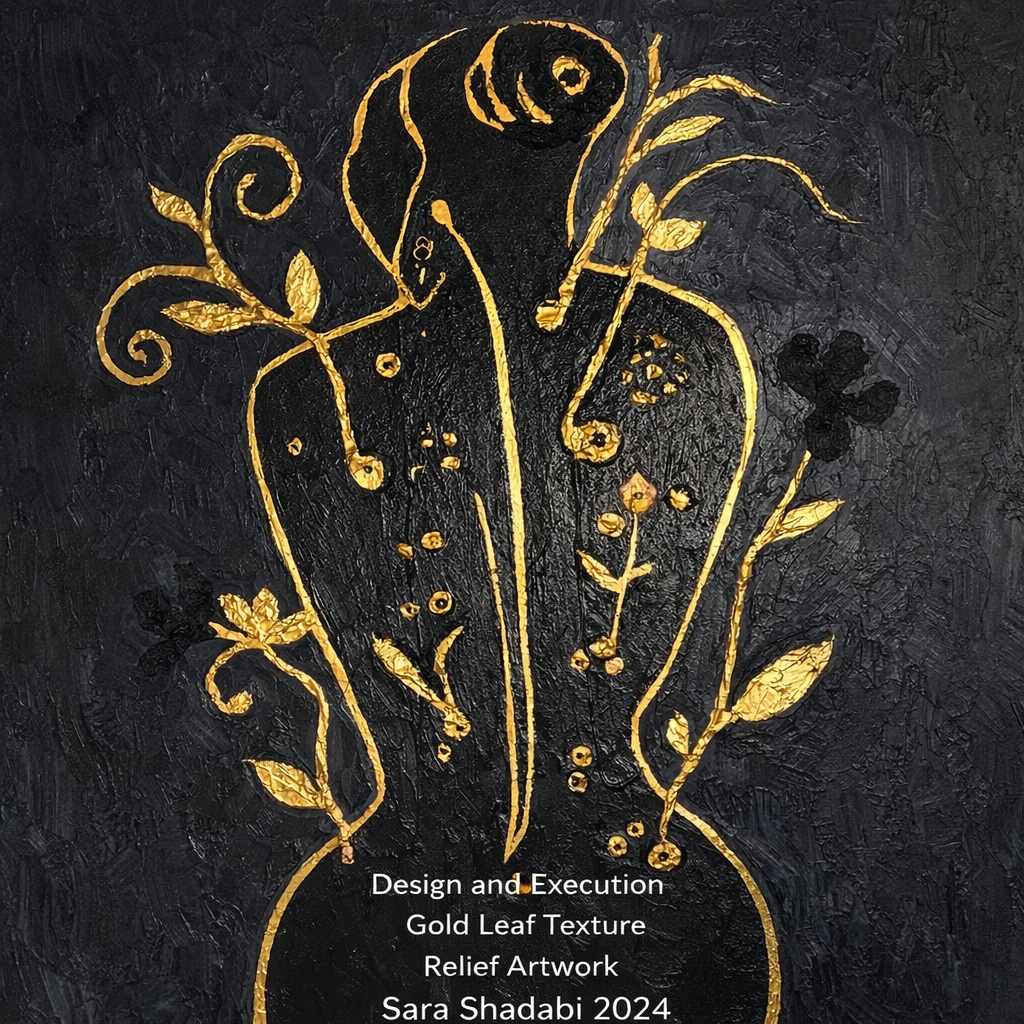
Golden Growth
By Sara Shadabi .2023
This image has been re-rendered for website use with the help of AI; the original artwork is available with its official certificate of authenticity.
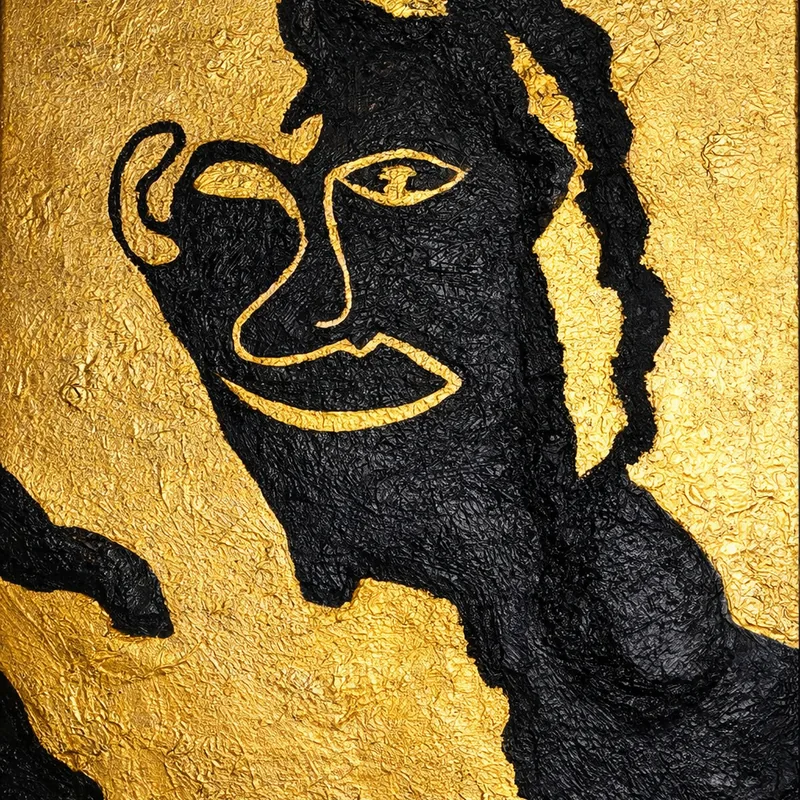
Golden Roots
By Sara Shadabi .2024
This image has been re-rendered for website use with the help of AI; the original artwork is available with its official certificate of authenticity.
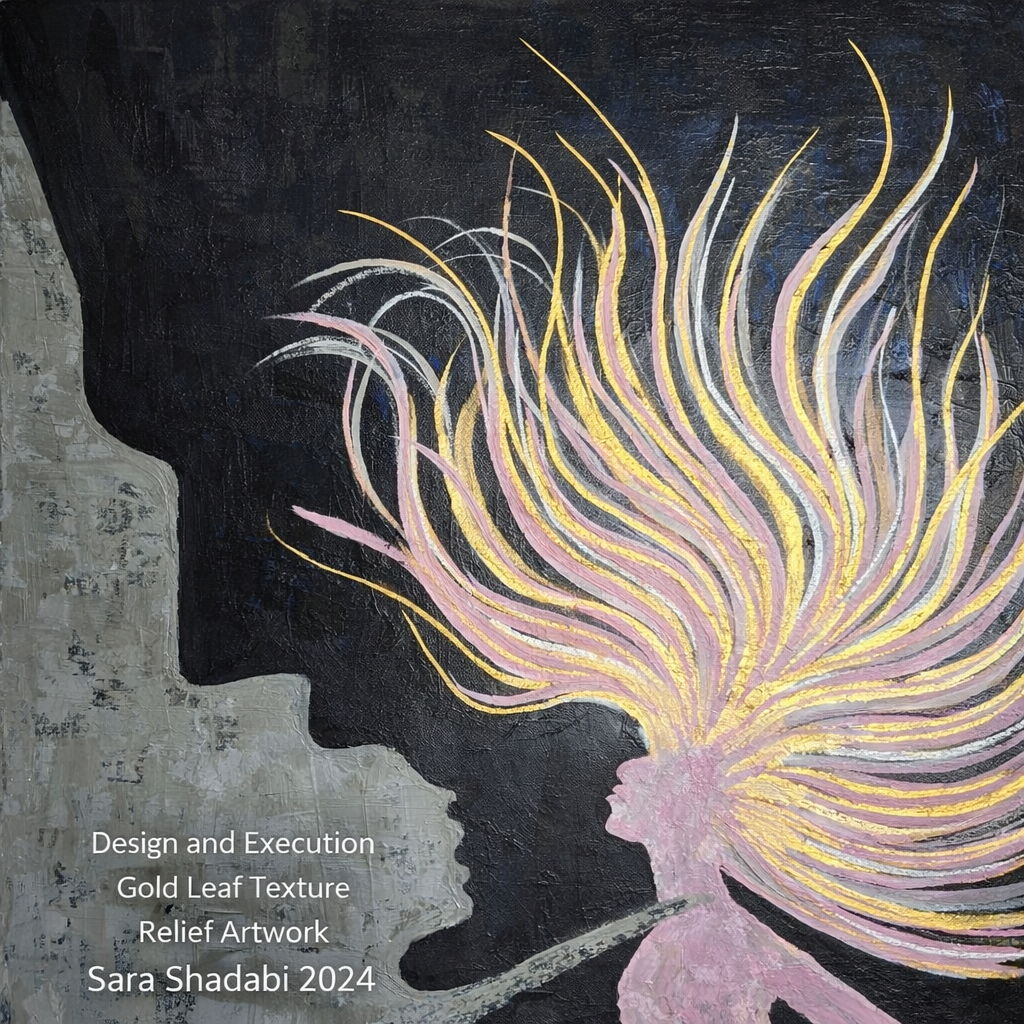
Death of Femininity
By Sara Shadabi .2023
This image has been re-rendered for website use with the help of AI; the original artwork is available with its official certificate of authenticity.
art
Collections
Freedom Collection
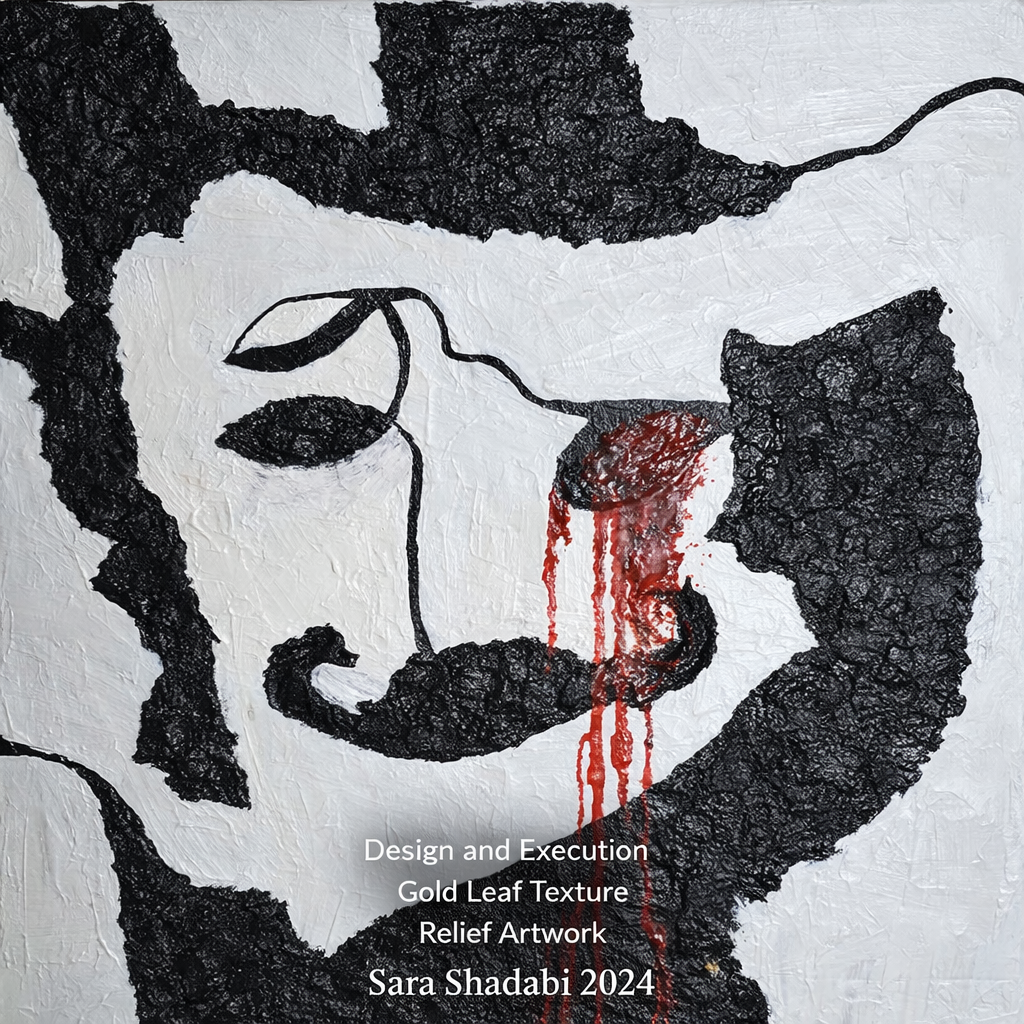
Eyes of Society
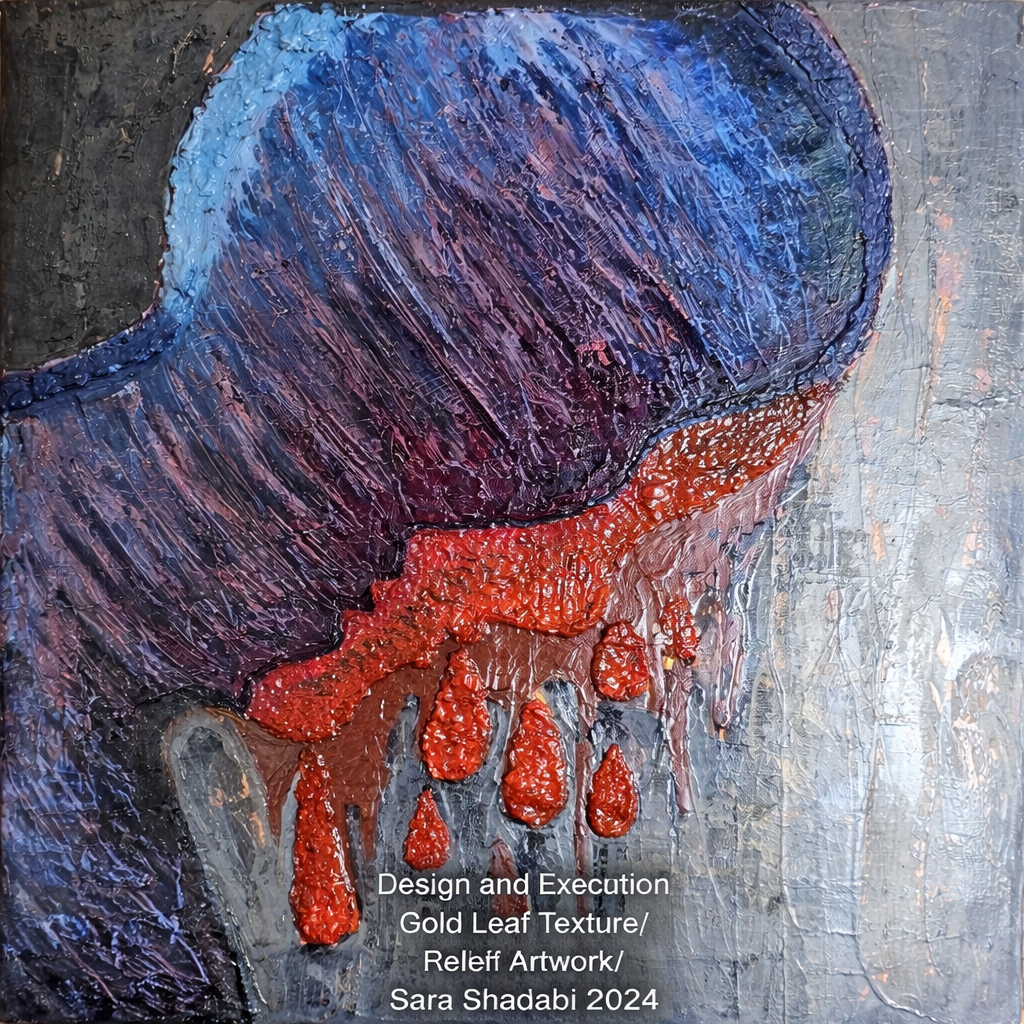
Silent Pressure
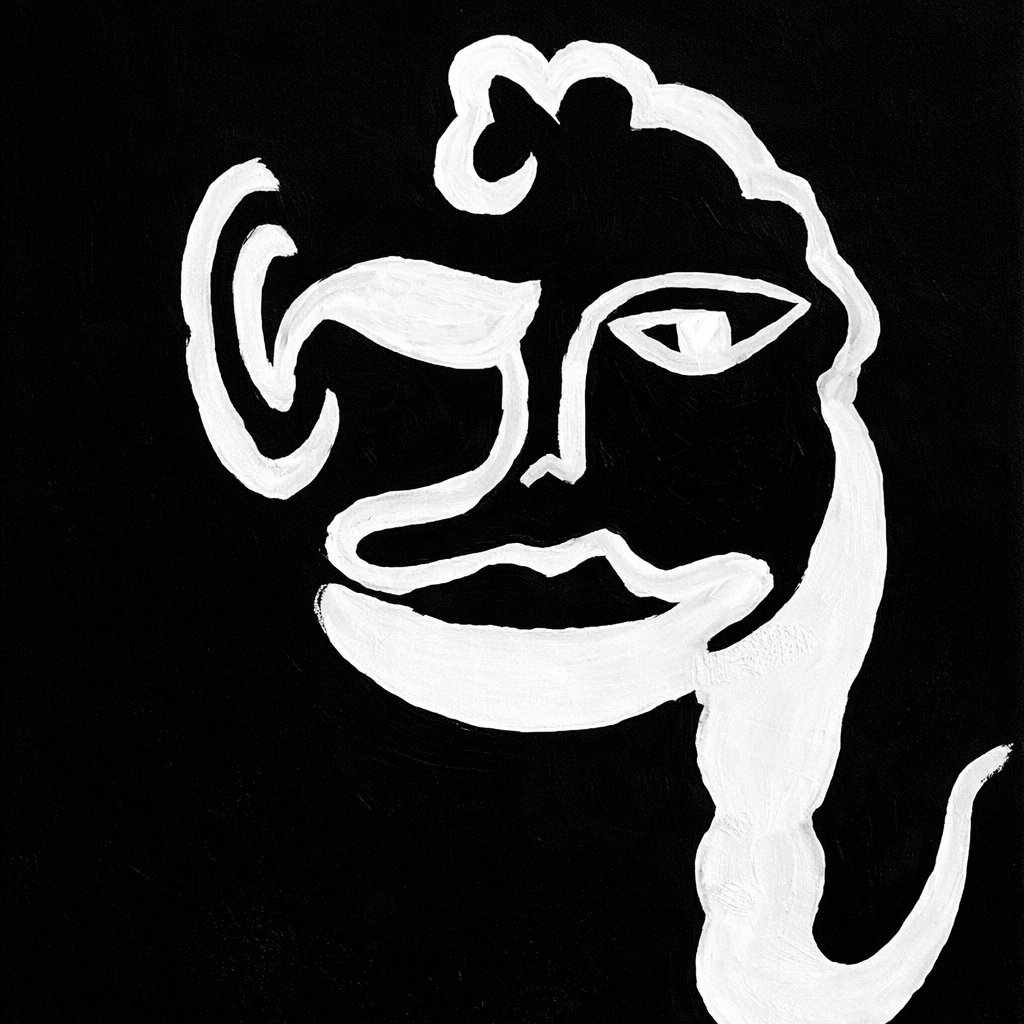
My artistic practice is rooted in the silence of subjectivity, approached through a psychoanalytic lens.
It emerges at the intersection of the Real, desire, and the gaze where meaning reaches its limit and falls silent. For years, I attempted to communicate complex concepts from psychoanalysis, psychology, philosophy, and the social sciences through language alone, often encountering its insufficiency. This impasse led me toward visual art as an alternative space of articulation: a space in which psychic structures can be translated into form, and where that which resists symbolization may appear through image, texture, and gesture.
In my work, the subject is never whole. It appears fragmented, displaced, and in continuous negotiation with itself. Line, color, and shadow function not merely as aesthetic elements, but as symbolic traces of psychic tension. They articulate a subject suspended between visibility and concealment, expression and silence.
Recurring motifs in my practice fragmented bodies, eyes, lines of escape, and restrained movement reflect a subject entangled within social and symbolic constraints. I work with a wide range of materials, from scrap paper and wire to sculptural paste and plaster, allowing the image to oscillate between drawing and relief. The figures inhabit a suspended state between darkness and light, evoking tensions between repression and desire, submission and resistance. Rather than offering resolution, my works insist on remaining within this suspension.
Materiality plays a central role in my process. Texture, layering, and physical protrusions are employed to evoke the presence of the Real that which disrupts coherence and exceeds representation. Through these material interventions, the body and its affective weight re enter the visual field, not as narrative illustration, but as lived experience.
Ultimately, my work seeks to construct a visual language through which the fragmented subject can speak. It is an attempt to give form to what is often silenced: the psychic struggle of becoming, the desire to encounter oneself, and the effort to experience subjectivity within a fractured social reality